
how to reupholster car seats
How to Reupholster Car Seats: A Behind-the-Scenes Guide
Learn how to reupholster car seats like a pro with our step-by-step guide. Discover the best tools, materials, and techniques to transform your vehicle's interior today.
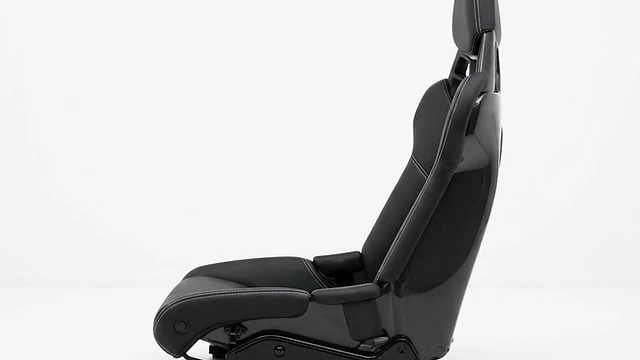
What How to Reupholster Car Seats Involves
Understanding how to reupholster car seats requires shifting your perspective from simple fabric replacement to precision automotive engineering. At AMX Performance, we view seating as a structural component, not just an aesthetic upgrade. The process begins with complete seat disassembly, requiring careful management of tension wires, hog rings, and electronic weight sensors.
Technical Considerations and Material Selection
When executing a high-end reupholstery project, material selection is critical to longevity and safety. You must consider:
- Substrate Integrity: Inspecting high-density foam for degradation. If the bolster foam has lost its shore hardness, adding new leather will only mask structural collapse.
- Material Specifications: Selecting automotive-grade Nappa leather or Alcantara with specific Martindale abrasion ratings. Unlike furniture fabrics, these must withstand extreme UV exposure and temperature fluctuations.
- Stitch Architecture: Precision is measured in millimeters. Using high-tenacity bonded nylon thread is essential to prevent seam failure under the lateral G-forces experienced in performance driving.
The complexity of how to reupholster car seats lies in maintaining factory-spec tension. Without specialized industrial sewing machines—capable of handling dual-needle topstitching and complex French seams—the finish will inevitably ripple. Furthermore, incorporating fire-retardant backing materials is a non-negotiable standard for any seat intended for track use. Every panel must be pattern-matched to original dimensions to ensure proper airbag deployment and integrated harness compatibility. Ultimately, professional reupholstery is an exercise in balancing luxurious tactile feedback with rigid automotive safety standards.
Materials: Nappa Leather, Alcantara & Technical Fabrics
When learning how to reupholster car seats to a professional standard, material selection is the primary determinant of both aesthetic longevity and structural integrity. At AMX Performance, we exclusively utilize automotive-grade textiles engineered to withstand extreme thermal cycling, UV exposure, and mechanical abrasion.
Selecting Premium Automotive Textiles
- Nappa Leather: We specify full-grain, chrome-tanned hides with a corrected finish. Unlike upholstery leather, automotive Nappa must meet strict VOC emission standards and have a minimum tensile strength of 15N/mm². Its suppleness allows for the precise tensioning required over aggressive bolsters.
- Alcantara: This synthetic microfiber is favored for high-performance applications due to its superior coefficient of friction. Its composition—typically 68% polyester and 32% polyurethane—provides a permanent grip that prevents occupant sliding during high-G cornering.
- Technical Fabrics: For specialized racing shells, we incorporate 3D spacer meshes and flame-retardant Nomex inserts. These materials facilitate airflow and moisture wicking, essential for maintaining comfort during track sessions.
The trade-off between luxury and performance is critical. While Nappa offers unparalleled tactile feedback and durability, Alcantara’s breathability makes it the superior choice for track-focused builds. When planning your project, ensure your chosen fabrics are flame-retardant compliant according to FMVSS 302 standards. Selecting thin, non-automotive grade materials may save costs initially, but will invariably lead to premature seam failure and fading under prolonged solar load. Proper material sourcing ensures your interior rejuvenation maintains a showroom finish for years.
The Build Process Step by Step
Understanding how to reupholster car seats requires a deep appreciation for structural integrity and material science. At AMX Performance, our process begins with CAD-engineered carbon fiber shells, which provide a superior strength-to-weight ratio compared to factory stamped steel. We don’t just swap fabric; we reconstruct the ergonomic architecture.
Precision Engineering and Material Selection
- Template Digitization: We use laser scanning to map the seat geometry, ensuring every panel of Nappa leather or Alcantara is cut with sub-millimeter precision.
- Foam Density Calibration: We select high-resilience, dual-density polyurethane foams. We balance firm support for track-day lateral G-loads with the plush compliance required for long-distance touring.
- Stitching Standards: Using industrial-grade 0.3mm bonded nylon thread, we employ reinforced French seams. This prevents the "seam creep" common in high-stress bolsters.
The transformation phase involves heat-bonding the high-friction Alcantara inserts to the seat centers. This material choice is intentional; Alcantara’s high surface-friction coefficient keeps the driver locked in position during aggressive cornering. Conversely, Nappa leather is utilized on the bolsters to facilitate smooth ingress and egress, balancing durability with luxury. Once the upholstery is tensioned over the frame, we calibrate the upholstery clips to 12nm of tension to eliminate wrinkles. By bridging the gap between bespoke racing ergonomics and luxury aesthetics, we transform standard factory seating into a precision-engineered control interface, proving that true reupholstery is an exercise in structural refinement rather than mere cosmetic covering.
Durability, Climate & Care
When learning how to reupholster car seats, the longevity of your interior depends entirely on material science and environmental resilience. At AMX Performance, we prioritize high-performance substrates like genuine Alcantara and automotive-grade Nappa leather because they meet rigorous abrasion resistance standards, often exceeding 50,000 cycles on the Martindale scale.
Material Considerations and Environmental Factors
- Alcantara Performance: This synthetic suede offers superior thermal regulation. Unlike vinyl, it remains temperate in extreme heat and provides critical lateral friction, essential for high-G racing maneuvers.
- Nappa Leather Grades: Opt for full-grain, semi-aniline hides. These feature a thinner protective topcoat, allowing the material to "breathe," which prevents cracking during seasonal humidity fluctuations.
- UV Stability: High-end automotive textiles must be tested against lightfastness standards (ISO 105-B02). Cheap aftermarket leathers will suffer from polymer breakdown and fading within 24 months of sun exposure.
For long-term care, maintenance routines vary by material. Alcantara requires regular light brushing to maintain its nap, whereas Nappa leather demands pH-neutral conditioning every six months to prevent the natural oils from desiccating. If you are DIY-focused on how to reupholster car seats, avoid generic household cleaners; they often contain harsh surfactants that strip the protective finish off premium hides. Instead, use specialized automotive-grade solutions. By selecting materials engineered for high-performance durability rather than cosmetic appeal alone, you ensure your bespoke cockpit remains a sanctuary of comfort and precision for years to come.
Costs, Timelines & Choosing the Right Shop
When considering how to reupholster car seats, understanding the discrepancy between DIY efforts and professional intervention is vital. A professional retrim is not merely a cosmetic cover; it is a structural renovation involving high-density foams, flame-retardant backing, and precise stitch-per-inch (SPI) calibration.
Budgeting for Premium Materials
Expect to invest anywhere from $1,500 to over $5,000 per pair, depending on the complexity. Premium materials define these costs:
- Nappa Leather: Requires specialized cutting to manage natural grain variations and thickness tolerances (typically 1.0mm–1.2mm).
- Alcantara: A high-performance synthetic suede that demands specific grain orientation during the pattern-cutting phase to ensure consistent nap reflection.
- Carbon Fiber Shells: Integrating bespoke upholstery into carbon fiber structures requires aerospace-grade adhesives and heat-resistant bonding agents that survive thermal expansion.
Timeline and Shop Selection
A professional commission typically spans two to four weeks. This timeline accounts for frame stripping, seat bolster foam reconstruction, and the manual assembly of intricate French seams. When selecting a shop, move beyond basic upholstery skills. Inquire about their experience with OEM-grade structural integrity and their ability to handle modern seat-mounted airbag sensors and heating elements. If you are learning how to reupholster car seats yourself, recognize the limits of your equipment—specifically regarding industrial walking-foot sewing machines capable of handling heavy-duty automotive threads. For bespoke, track-ready seating, prioritize craftsmen who understand that the upholstery is a critical component of the driver’s interface with the vehicle chassis.
Frequently Asked Questions
Is DIY upholstery feasible for complex racing buckets?
While many enthusiasts research how to reupholster car seats for daily drivers, bespoke racing shells are a different tier. These seats often utilize complex geometries and carbon fiber monocoque structures that require precise tensioning to prevent material bunching. Unlike standard foam cushions, high-performance seats often feature integrated harness pass-throughs and specific bolster contours that demand industrial-grade sewing machines capable of handling thicker threads like bonded nylon or polyester.
What materials offer the best durability?
- Nappa Leather: Provides a soft tactile feel but requires periodic conditioning to maintain its structural integrity under UV exposure.
- Alcantara: An essential for racing applications due to its high friction coefficient, which keeps the driver planted during lateral cornering loads.
- Carbon Fiber: While not a fabric, it is the standard for seat backings; ensure your upholstery choice complements the rigidity of the shell.
What are the primary trade-offs when selecting textiles?
The main conflict lies between aesthetics and functionality. Automotive-grade fabrics must pass rigorous flame-retardancy standards (such as FMVSS 302). Furthermore, when deciding how to reupholster car seats for track usage, avoid generic materials that lack breathability. High-density foams must be measured precisely—often within 5mm tolerances—to ensure proper ergonomics. If you prioritize weight reduction, selecting lightweight fire-resistant synthetics is preferable to traditional hides. For a bespoke aesthetic that balances weight, durability, and grip, professional atelier-level materials remain the industry gold standard for discerning performance enthusiasts.