
how to choose the right custom car seat
How to Choose the Right Custom Car Seat: A Buyer's Guide for USA & Canada
Struggling to find the perfect fit for your vehicle? Discover how to choose the right custom car seat with our expert buyer’s guide for drivers across USA and Canada.
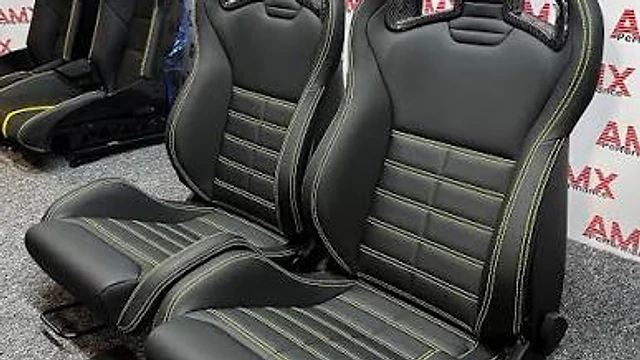
What How to Choose the Right Custom Car Seat Involves
Learning how to choose the right custom car seat requires a technical evaluation of three core pillars: ergonomics, material science, and structural integrity. A bespoke seat is not merely an aesthetic upgrade; it is a critical interface between driver and machine, demanding precision in every dimension.
Core Considerations
- Ergonomic Geometry: Proper selection hinges on your hip-to-shoulder ratio and lumbar support needs. A seat must provide lateral bolstering to counteract G-forces while maintaining a base width that prevents pressure points during long-duration driving.
- Material Composition: High-performance environments necessitate carbon fiber shells for an optimal strength-to-weight ratio. Surface materials like Alcantara are selected for superior friction coefficients, ensuring the driver remains planted, while premium Nappa leather offers breathability and structural longevity.
- Safety Standards: You must verify if the seat meets specific racing regulations, such as FIA 8855-1999 or 8862-2009. These standards dictate the shell’s energy-absorption capabilities during impact.
When determining how to choose the right custom car seat, you must balance track-focused rigidity with street-use comfort. Rigid carbon fiber monocoques provide unparalleled feedback from the chassis, yet they trade off the plush, vibration-dampening qualities of high-density memory foams. Furthermore, installation involves ensuring compatibility with your vehicle’s specific chassis mounts and harness geometry. By auditing these specifications—shell rigidity, surface friction, and safety certification—you transition from a standard factory configuration to a bespoke cockpit architecture tailored explicitly to your driving profile and physical dimensions.
Materials: Nappa Leather, Alcantara & Technical Fabrics
When determining how to choose the right custom car seat, the material selection is your most significant decision. It dictates thermal regulation, grip, and long-term durability. At AMX Performance, we prioritize materials that balance track-day performance with daily aesthetic refinement.
The Material Breakdown
- Nappa Leather: Sourced from top-grain hides, Nappa is prized for its soft, buttery hand-feel. It offers superior UV resistance and ease of cleaning. However, it lacks natural friction, making it less ideal for high-G cornering unless integrated with aggressive bolsters.
- Alcantara: This synthetic microfibre suede is the gold standard for performance racing seats. It provides exceptional tactile grip, preventing driver slide during lateral maneuvers. It is also inherently breathable and temperature-neutral, staying cooler in summer and warmer in winter compared to leather.
- Technical Fabrics: Often utilized in FIA-certified applications, these high-denier synthetics offer unmatched abrasion resistance. They are lighter than leather and optimized for ventilation, though they offer a more utilitarian look.
For a bespoke build, the optimal approach is often a hybrid construction. We frequently utilize Alcantara on seat centers and bolsters for maximum stability, while wrapping high-wear outer regions in premium Nappa leather for durability. When selecting, consider your environment; high-humidity regions benefit from the breathability of technical fabrics, while temperate climates allow for the luxurious versatility of full-grain leathers. Ultimately, the right material choice should reflect your specific driving intensity, ensuring your seating remains both comfortable for endurance and stable during spirited maneuvers.
The Build Process Step by Step
Understanding the manufacturing lifecycle is critical when learning how to choose the right custom car seat. At AMX Performance, our process begins with CAD-engineered carbon fiber shells, vacuum-infused to achieve the optimal strength-to-weight ratio required for motorsport safety standards.
From Architecture to Ergonomics
Each build follows a rigorous sequence to ensure absolute precision:
- Chassis Selection: We match your torso length and hip width to the shell geometry. Choosing the correct shell size is vital, as excessive clearance reduces the seat's ability to hold you through high-G cornering.
- Material Integration: We utilize high-density, energy-absorbing foams bonded directly to the carbon structure. This layer provides essential vibration damping and support for long-duration driving.
- Custom Upholstery: Using premium, automotive-grade Nappa leather and Alcantara, our artisans hand-stitch covers. We prioritize breathability and tactile feedback, using perforated inserts where thermal regulation is needed.
- Safety Certification: Every seat undergoes structural stress testing. We verify that mount points are reinforced with steel inserts to maintain integrity under extreme deceleration forces.
When selecting your specifications, consider the trade-off between aggressive bolster profiles for track use and flatter egress profiles for daily street driving. A bespoke build allows you to tailor these dimensions to your specific chassis and driving style, ensuring the final product integrates perfectly with your cockpit’s geometry while meeting stringent safety requirements for North American road and track use.
Durability, Climate & Care
When learning how to choose the right custom car seat, balancing aesthetic luxury with material longevity is critical. For the North American market, climate exposure—ranging from extreme desert heat to humid coastal air—dictates your material selection.
Material Resilience and Maintenance
- Nappa Leather: Offers a supple, premium feel but requires biannual conditioning to prevent cracking from UV exposure. It is highly resistant to abrasion but sensitive to sharp objects.
- Alcantara: Renowned for its high-friction coefficient, making it ideal for track applications. While moisture-wicking and cooler in the summer, it necessitates frequent, gentle brushing to maintain the "nap" and prevent pilling.
- Carbon Fiber: The structural backbone of our atelier’s seats. It offers superior fatigue resistance compared to traditional steel frames. Ensure the UV-resistant clear coat is rated to automotive standards (ISO 4892-2) to prevent yellowing or de-lamination over time.
Environmental Considerations
If your vehicle is a daily driver in northern climates, consider perforations in leather seating to facilitate airflow if you utilize seat heaters or cooling systems. Conversely, for high-performance track vehicles, focus on the structural integrity of the composite shell, specifically looking for FIA-homologated standards that ensure the seat maintains its shape under high-G lateral forces. Ultimately, your choice should reflect the seat’s duty cycle; a weekend cruiser benefits from the prestige of soft-touch Nappa, whereas a dedicated time-attack racer demands the structural rigidity of carbon-backed Alcantara to ensure long-term seat stability and driver support.
Costs, Timelines & Choosing the Right Shop
When considering how to choose the right custom car seat, understanding the investment is critical. Bespoke carbon fiber shells, aerospace-grade resins, and hand-stitched Italian Nappa leather or Alcantara require significant lead times, typically ranging from 8 to 16 weeks depending on material sourcing and foam density customization. Expect price points to reflect this labor-intensive artisanal process; premium builds usually start at $3,500 per seat, scaling up with bespoke ergonomic inserts and FIA-homologated safety features.
Evaluating Professional Ateliers
Selecting the right shop involves vetting their technical pedigree rather than just their marketing imagery. Prioritize shops that provide:
- Structural Integrity: Detailed documentation on shell layup schedules and carbon fiber weave orientations.
- Ergonomic Tailoring: Options for adjustable lumbar support and varying seat widths based on pelvic dimension measurements.
- Material Authenticity: Use of high-friction Alcantara for track-focused lateral stability versus supple, ventilated Nappa for long-distance touring.
- Safety Compliance: Strict adherence to rigorous impact testing standards and fire-retardant upholstery certifications.
A true performance atelier should offer a collaborative design phase to ensure seat geometry integrates seamlessly with your vehicle’s specific mounting points and cabin architecture. Avoid shops that offer "one-size-fits-all" solutions; genuine performance demands a symbiotic fit between the driver’s physiology and the chassis. By verifying these metrics and vetting the shop’s craftsmanship, you ensure your bespoke investment balances extreme weight reduction, structural rigidity, and long-term cabin comfort for the ultimate driving experience.
Frequently Asked Questions
What are the critical considerations when selecting materials for performance seats?
When determining how to choose the right custom car seat, material selection dictates both safety and thermal regulation. Carbon fiber shells are preferred for their superior stiffness-to-weight ratio, effectively reducing chassis vibration transfer. For upholstery, Alcantara is the industry standard for track environments; its high friction coefficient anchors the driver during lateral G-loading. Conversely, Nappa leather offers unparalleled breathability and a tactile luxury suitable for grand touring configurations. Always prioritize materials that meet FIA or SFI flame-retardant standards if your vehicle sees regular track time.
How do I ensure proper fitment for my physique?
Precision fitment is paramount to ergonomics and safety. Consider these technical dimensions:
- Seat Width: Ensure the shoulder harness points sit just above the shoulders to prevent spinal compression during impacts.
- Bolster Depth: Deep bolstering restricts movement for performance driving but may impede ingress in daily drivers.
- Mounting Geometry: Verify that your seat brackets allow for proper rake and height adjustment to maintain your line of sight.
Can custom seats be installed in vehicles with side airbags?
Installing aftermarket seats often necessitates disabling factory SRS side airbags, which can trigger warning lights or fault codes. Professional shops typically utilize seat occupancy sensor simulators to maintain system integrity. Always consult a specialist to ensure your seat choice complies with local safety regulations across North America while maintaining structural rigidity through reinforced mounting points.