
custom leather car interiors
Custom Leather Car Interiors: Nappa Leather vs OEM
Upgrade your ride with premium custom leather car interiors. Discover the luxury and durability of Nappa leather compared to OEM standards and find your perfect fit.
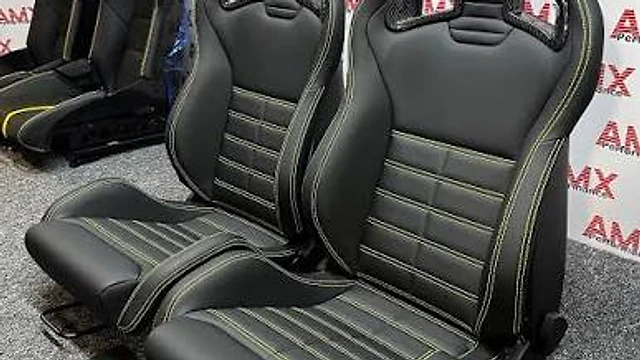
What Custom Leather Car Interiors Involves
The transformation process for custom leather car interiors is a disciplined marriage of artisan craftsmanship and high-performance engineering. Unlike mass-produced factory seating, bespoke interior work begins with a comprehensive structural assessment, focusing on ergonomics and chassis-specific mounting points. Whether re-upholstering original frames or integrating lightweight carbon fiber shells, the objective is to optimize both tactile feedback and support.
The Material Selection Process
Precision begins with the choice of hide. High-grade Nappa leather is selected for its uniform grain and supple hand-feel, often sourced from European tanneries that maintain stringent environmental standards. Crafting these interiors requires adherence to technical specifications, including:
- Tensile Strength: Ensuring leather thickness remains consistent to withstand the mechanical stress of dynamic driving.
- UV Resistance: Utilizing specialized aniline-dye processes to prevent thermal degradation and color fading.
- Precision Stitching: Employing reinforced nylon or polyester threads with specific stitch densities (SPI) to prevent seam failure under lateral G-loads.
When upgrading to custom leather car interiors, practitioners must balance aesthetics with safety. This involves ensuring that upholstery materials do not interfere with integrated side-impact airbags or seat occupant detection systems. By layering fire-retardant foams and high-density padding beneath the surface materials, builders create a cockpit environment that enhances driver endurance. Ultimately, the process demands an uncompromising focus on dimensional accuracy, where every millimeter of tension is calculated to ensure the final fitment is flawless, durable, and perfectly aligned with the vehicle’s performance pedigree.
Materials: Nappa Leather, Alcantara & Technical Fabrics
When curating custom leather car interiors, the selection of textiles defines both the aesthetic refinement and the tactical performance of your cockpit. At AMX Performance, we prioritize materials that balance tactile luxury with industrial-grade resilience.
The Benchmark of Automotive Luxury
- Full-Grain Nappa Leather: Sourced from European hides, our Nappa is minimally processed to retain its natural grain structure. Unlike standard automotive leather, which often features heavy synthetic coatings, true Nappa provides superior breathability, a buttery hand-feel, and consistent thickness—typically ranging from 1.2mm to 1.4mm—to withstand the heat cycles of high-performance driving.
- Alcantara Performance Suede: This sophisticated synthetic is the industry standard for high-grip applications. Beyond its iconic aesthetic, Alcantara offers higher frictional coefficients than leather, critical for lateral stability in racing seats. It is flame-retardant, UV-resistant, and significantly lighter than traditional upholstery weight categories.
- Technical Fabrics: For extreme weight reduction, we integrate carbon fiber weave accents and 3D-mesh liners. These fabrics are engineered for optimal airflow, preventing moisture accumulation against the driver’s body during endurance stints.
The trade-off between these materials lies in maintenance and longevity. While Nappa leather offers a timeless patina and ease of cleaning, Alcantara requires specific chemical maintenance to prevent matting. Integrating these high-performance materials into your vehicle elevates the cabin from a mere factory output to a bespoke environment tailored to your specific ergonomic requirements and aesthetic vision.
The Build Process Step by Step
Creating custom leather car interiors is an exercise in engineering precision, transcending simple upholstery. At AMX Performance, our build process begins with 3D laser scanning of the chassis to ensure bespoke seat dimensions align perfectly with the driver’s ergonomics and the vehicle’s specific mounting points.
Precision Craftsmanship and Material Integration
Once the geometry is finalized, we transition to material selection. We source top-grain Nappa leather, prioritizing high tensile strength and consistent grain density to prevent premature stretching. Unlike mass-produced OEM components, our process involves several critical phases:
- Structural Integrity: Each carbon fiber shell is autoclave-cured to achieve an optimal resin-to-fiber ratio, providing maximum rigidity with minimal weight.
- Precision Patterning: Digital cutting systems execute patterns within 0.1mm tolerances, ensuring that every stitch line perfectly follows the seat’s contours.
- Hand-Finished Stitching: Artisans manually perform French seams using high-tenacity, UV-resistant bonded nylon thread, ensuring durability that far exceeds standard industrial requirements.
- Ergonomic Padding: We utilize variable-density closed-cell foam to provide essential lateral support, balancing long-distance comfort with the firmness required for track-day performance.
This technical rigor represents the primary trade-off between standard OEM manufacturing and a truly custom build: OEM seats rely on cost-saving stamped components and standardized foams, whereas our process is entirely additive and bespoke. By controlling every variable—from foam density to leather finish—we deliver a driver-centric experience that harmonizes luxury aesthetics with uncompromised racing performance, elevating the interior to the pinnacle of automotive customization.
Durability, Climate & Care
The Resilience of Premium Materials
When investing in custom leather car interiors, durability is defined by the integrity of the hide’s grain and the quality of the finish. Unlike mass-produced OEM leather—often corrected, embossed, and heavily pigmented to mask imperfections—bespoke Nappa leather retains its natural cellular structure. This makes it inherently more supple and resistant to cracking under the constant thermal cycling typical of automotive environments.
For high-performance applications, we reinforce our carbon-fiber-backed seats with industrial-grade stitching, meeting rigorous rub-fastness and tensile strength standards. These materials are engineered to maintain structural tension throughout high-G maneuvers, preventing the sagging common in factory-installed alternatives.
Climate Control and Maintenance
Climate responsiveness is a critical differentiator. High-end Nappa leather and Alcantara are breathable by design. When paired with our ventilated carbon chassis, these materials mitigate heat retention, ensuring comfort during spirited driving. However, longevity depends on proper maintenance:
- Hydration: Use a pH-neutral leather conditioner every 3,000 miles to maintain the hide’s natural oils and prevent ultraviolet desiccation.
- Alcantara Care: Utilize a soft-bristled brush to lift the nap and a damp microfiber cloth for localized cleaning; avoid heavy chemical agents that alter fiber texture.
- UV Protection: Ceramic coatings are recommended for light-colored hides to provide a sacrificial layer against denim dye transfer and sun-induced fading.
By prioritizing premium raw materials and routine care, your interior remains a functional piece of art, outperforming factory standards for decades rather than years.
Costs, Timelines & Choosing the Right Shop
Investing in custom leather car interiors is a commitment to precision engineering and material excellence. Unlike mass-produced OEM components, bespoke upholstery involves intensive labor, from pattern digitization to hand-stitching high-grade Nappa leather or Alcantara. Costs reflect this intensity; a full bespoke interior suite can range from $5,000 to over $20,000, depending on the complexity of carbon fiber integration and the specific tanning process of the hides used.
The Reality of Bespoke Timelines
Quality requires patience. A typical project lifecycle spans 8 to 16 weeks. This accounts for several critical phases:
- Template Engineering: Laser scanning seat dimensions to ensure structural integrity and fitment.
- Material Curation: Sourcing automotive-grade hides that meet FMVSS 302 flammability standards.
- Craftsmanship: Multi-stage foam contouring and precision sewing of French or double-stitched seams.
Selecting Your Atelier
When evaluating a shop, look beyond aesthetic portfolios. Demand transparency regarding their technical standards. A world-class atelier should prioritize:
- Durability Testing: Ensuring leather thickness is optimized for heat cycles and UV exposure.
- Hardware Integration: Ensuring bespoke seats maintain OEM airbag deployment compliance and seat track functionality.
- Material Authenticity: Verification of genuine Nappa leather versus synthetic or bonded alternatives.
Choosing the right partner for custom leather car interiors is about balancing artisan craftsmanship with the rigid safety requirements of automotive performance. Avoid shops that prioritize speed over structural validation; your safety—and your vehicle’s resale value—depends on rigorous, engineering-led execution.
Frequently Asked Questions
How does premium Nappa differ from standard OEM hide?
While factory-grade leather focuses on cost-efficiency and durability through heavy pigment coating, premium custom leather car interiors prioritize structural integrity and tactile feedback. Nappa leather undergoes a refined chromium-tanning process, maintaining natural breathability and a softer hand-feel without sacrificing tensile strength. Unlike mass-produced hides, our hides are free from deep-embossed patterns, preserving the unique grain profile of the bovine hide.
Is carbon fiber compatible with luxury leather upholstery?
Absolutely. Integrating structural carbon fiber shells with hand-stitched Nappa leather requires precise CNC-calculated tension. By bonding high-density memory foam directly to the carbon composite backing, we achieve a slim profile that meets FIA-inspired ergonomic standards while retaining the plush comfort expected in high-end automotive builds.
What maintenance is required for high-end upholstery?
To preserve the finish of your custom leather car interiors, we recommend a pH-neutral cleaner every three months. Avoid solvent-based conditioners; instead, utilize a water-based emulsion that protects against UV degradation and thermal expansion. Because our seats utilize Alcantara inserts in high-wear zones, specialized synthetic brushes are necessary to lift debris without disrupting the directional nap of the microfiber. Always ensure the leather retains its natural oils to prevent micro-cracking in the grain. For racing applications, ensure the five-point harness grommets remain clear of seat-side friction to prevent leather abrasion. Proper care extends the life of your bespoke investment by maintaining the leather’s elasticity and color saturation for over a decade of spirited driving.