
automotive interior design
Automotive Interior Design: Bespoke Cabin Craft in Canada
Discover the artistry of automotive interior design in Canada. Explore how bespoke cabin craft transforms vehicles into luxury, personalized sanctuaries on the road.
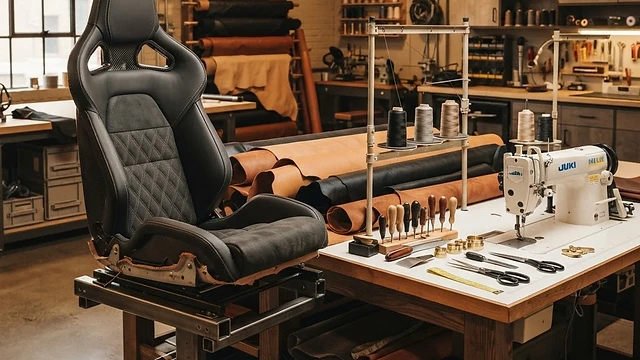
What Automotive Interior Design Involves
At its core, automotive interior design is a complex engineering discipline that balances human factors, safety regulations, and aesthetic precision. It transcends mere visual styling, requiring a deep understanding of structural integrity and ergonomic optimization. Designers must account for H-point positioning—the pivot point of the torso and thigh—while integrating high-performance materials that withstand rigorous thermal cycling and UV degradation.
The Material Science of Comfort
In the bespoke sector, craftsmanship meets technical performance. Selecting materials is a study in trade-offs between weight, tactile feedback, and durability:
- Carbon Fiber: Utilized for structural rigidity and mass reduction; its weave density directly impacts the seat's flex profile under lateral G-forces.
- Nappa Leather & Alcantara: Chosen for breathability and coefficient of friction; Alcantara is preferred in motorsport for its superior grip, while full-grain Nappa offers premium tactile luxury.
- Foam Density: Designers must specify precise Shore hardness ratings to ensure long-term support without succumbing to compression set.
Every interior element must adhere to stringent FMVSS or ECE crash standards. This requires balancing thin-profile aesthetics with the necessary padding thickness required for energy absorption during an impact. Beyond aesthetics, authentic automotive interior design mandates that every seam, bolster angle, and stitch pattern serves the driver’s connection to the machine. By integrating lightweight composite shells with bespoke upholstery, ateliers like AMX Performance ensure that the cabin is not merely a passenger space, but a functional extension of the vehicle's chassis dynamics and overall engineering intent.
Materials: Nappa Leather, Alcantara & Technical Fabrics
The hallmark of elite automotive interior design lies in the tactile harmony between driver and machine. At AMX Performance, our selection process prioritizes weight-to-durability ratios, ensuring every hide and weave serves both aesthetic and functional performance.
Refined Surface Dynamics
- Nappa Leather: We source full-grain, chrome-tanned Nappa, chosen for its consistent thickness—typically 1.2mm to 1.4mm—to ensure longevity under UV exposure. Its supple, natural finish provides superior grip while maintaining the breathability required for high-intensity circuit driving.
- Alcantara: This synthetic microfiber composite is our standard for contact points. Offering a 50% weight reduction compared to leather, it provides exceptional lateral friction, preventing slippage during high-G maneuvers. Its inherent fire-retardant properties and thermal stability make it a staple in race-spec cabin builds.
- Technical Fabrics: For specialized applications, we integrate high-tenacity 3D spacer meshes and woven carbon-aramid blends. These fabrics manage airflow and heat dissipation, vital for long-duration racing.
Each material undergoes rigorous stress testing. While leather offers classic tactile feedback, Alcantara minimizes glare in high-contrast lighting—a critical trade-off when optimizing a cockpit for racing. By balancing these substrates, we achieve a bespoke cabin that doesn't just look sophisticated but performs under thermal load. The result is a seamless interface that minimizes driver fatigue while elevating the sensory experience of the vehicle interior. Precision stitching and substrate backing ensure that our bespoke seats withstand the extreme vibrational frequencies inherent in professional-grade motorsport chassis.
The Build Process Step by Step
Achieving excellence in automotive interior design requires a meticulous methodology that marries structural integrity with ergonomic perfection. At AMX Performance, our build process is a disciplined journey of transformation.
From Concept to Carbon Fiber
Every seat begins with a precision-engineered carbon fiber shell. We utilize high-modulus, pre-preg carbon fiber, vacuum-bagged and autoclave-cured at 120°C. This ensures a superior strength-to-weight ratio, critical for racing applications where every gram affects chassis dynamics. We adhere to FIA-standard geometries, ensuring occupant safety while maintaining a slim profile that optimizes cabin space.
Refinement and Upholstery
Once the shell is validated, the tactile layer—the soul of the cabin—is applied:
- Material Selection: We utilize European-sourced Nappa leather for its natural grain resilience and Alcantara for its high-friction coefficient, essential for lateral stability in high-G turns.
- Strategic Stitching: Using CNC-guided sewing, we achieve a consistent 4mm stitch pitch, ensuring seams can withstand extreme tension without material fatigue.
- Padding Density: We calibrate dual-density fire-retardant foam inserts, balancing long-distance comfort with the rigid feedback required for track performance.
Every component is measured to the millimeter, ensuring a seamless fit that integrates flawlessly with the vehicle’s existing architecture. By focusing on these technical trade-offs—balancing lightweight rigidity against luxurious comfort—we elevate the standard of bespoke interiors. This rigorous, step-by-step approach guarantees that every seat we hand-build is not just a component, but a centerpiece of performance-driven design.
Durability, Climate & Care
In high-performance automotive interior design, the intersection of aesthetic luxury and structural resilience is critical, particularly within Canada’s extreme thermal fluctuations. AMX Performance seats are engineered to withstand rigorous daily use and competitive track demands without compromising their bespoke finish.
Material Integrity and Thermal Resilience
Our carbon fiber shells undergo autoclave curing to ensure a high strength-to-weight ratio, effectively mitigating the expansion and contraction cycles common in sub-zero climates. To preserve the cabin environment, we utilize only premium-grade materials:
- Nappa Leather: Treated with protective conditioning agents to prevent cracking during dry, heated winters.
- Alcantara: Selected for its superior flame retardancy and breathability, meeting FIA-rated technical specifications for tactile grip.
Maintenance Standards
True luxury requires intentional preservation. We recommend a structured care regimen to maintain the integrity of hand-stitched seams and high-density foam inserts:
- Bi-Annual Conditioning: Apply pH-balanced leather conditioners to maintain natural lipid levels, preventing UV-induced degradation in high-sunlight conditions.
- Alcantara Maintenance: Utilize microfiber cloths for gentle debris removal, ensuring the pile remains upright and uniform.
- Climate Control: We advise utilizing ceramic window tints to mitigate extreme UV exposure, which remains the primary catalyst for material fading and structural brittleness.
By prioritizing industrial-grade durability alongside artisanal craftsmanship, our seats ensure that your cabin remains as formidable in its performance as it is refined in its presentation, regardless of the Canadian seasons.
Costs, Timelines & Choosing the Right Shop
Investing in automotive interior design requires balancing aesthetic ambition with structural reality. Bespoke cabin craft is a labor-intensive discipline; custom carbon fiber seating solutions often require 8–12 weeks of lead time to account for composite curing, foam density optimization, and artisanal upholstery.
Budgeting for Precision
Expect a tiered pricing structure based on material selection and ergonomic mandates. Costs are driven by:
- Raw Material Grades: High-tensile, pre-preg carbon fiber weave versus structural fiberglass; automotive-grade Nappa leather vs. synthetic textiles.
- Engineering Complexity: Integration of OEM-compatible safety mounts or custom FIA-compliant mounting brackets.
- Surface Finishing: Precision stitch patterns (e.g., diamond quilting, French seams) and perforated Alcantara inserts for thermal regulation.
Evaluating Your Partner
When selecting a fabrication shop, prioritize transparency regarding their technical standards. A world-class atelier should provide CAD renders for fitment verification—crucial when working with tight cockpit dimensions in vintage chassis or modern supercars. Verify that the shop utilizes high-density, closed-cell foam to prevent long-term compression, ensuring that the lateral support remains consistent under high-G loads. Ask to see examples of tensioning techniques; poor upholstery work will inevitably lead to material sagging in high-friction bolsters. Ultimately, you are commissioning a functional sculpture. Choose a partner that treats the cabin not merely as a surface project, but as an integrated performance component. By prioritizing structural integrity alongside visual refinement, you ensure your bespoke interior enhances both the resale value and the visceral driving experience of your vehicle.
Frequently Asked Questions
What materials define elite automotive interior design?
Modern luxury cabins rely on a balance of structural integrity and tactile elegance. At AMX Performance, we prioritize:
- Carbon Fiber: Aerospace-grade 2x2 twill weave for optimal rigidity-to-weight ratios in seat shells.
- Nappa Leather: Full-grain, chrome-tanned hides that offer superior breathability and a natural hand-feel.
- Alcantara: A high-durability synthetic suede providing essential grip during high-G maneuvers without sacrificing aesthetics.
Are bespoke seats compatible with factory safety systems?
Safety is the cornerstone of professional automotive interior design. Our bespoke racing seats are engineered to integrate with OEM-style three-point belt receivers while maintaining compatibility with multi-point racing harnesses. We adhere to stringent load-bearing requirements, ensuring that each carbon monocoque can withstand the forces experienced during track-day events. We meticulously test mounting brackets to ensure they align with factory seat rail points, minimizing chassis modification while maximizing driver ergonomics.
How do weight reductions affect cabin ergonomics?
Reducing unsprung mass via lightweight seat construction lowers the center of gravity, significantly improving vehicle handling. However, the trade-off is often padding density. By utilizing dual-density closed-cell foam, we achieve a profile that is thinner than traditional mass-produced units yet superior in vibration damping. This allows for a lower seating position—essential for headroom in helmet-clad track environments—without compromising the long-distance comfort expected from premium, hand-stitched upholstery. Every stitch is placed to manage stress concentrations in the fabric, ensuring that our bespoke creations remain taut and supportive throughout years of aggressive driving and daily use.